Ultrahuman Ring Air: A Cyclist’s Perspective After Months of Use
17.12.2025
Simona Hozjan
I started using the Ultrahuman Ring Air back in August, mainly out of curiosity, but also because I am not a big fan of wearing smartwaches. As someone who cycles regularly, I was interested in understanding my recovery better.
After months of wearing it day and night, the ring has become less of a gadget and more of a background tool that quietly shapes how I train, recover and funny enough, when I drink my coffee (most of time time haha!).
Why smart ring works so well for cycling?
A smart ring continuously tracks recovery metrics like resting heart rate, heart rate variability, and sleep quality without needing to be manually started or stopped. There’s no “did I remember to record this?” moment. You have the data every morning, giving a clear picture of how well the body has absorbed recent training.
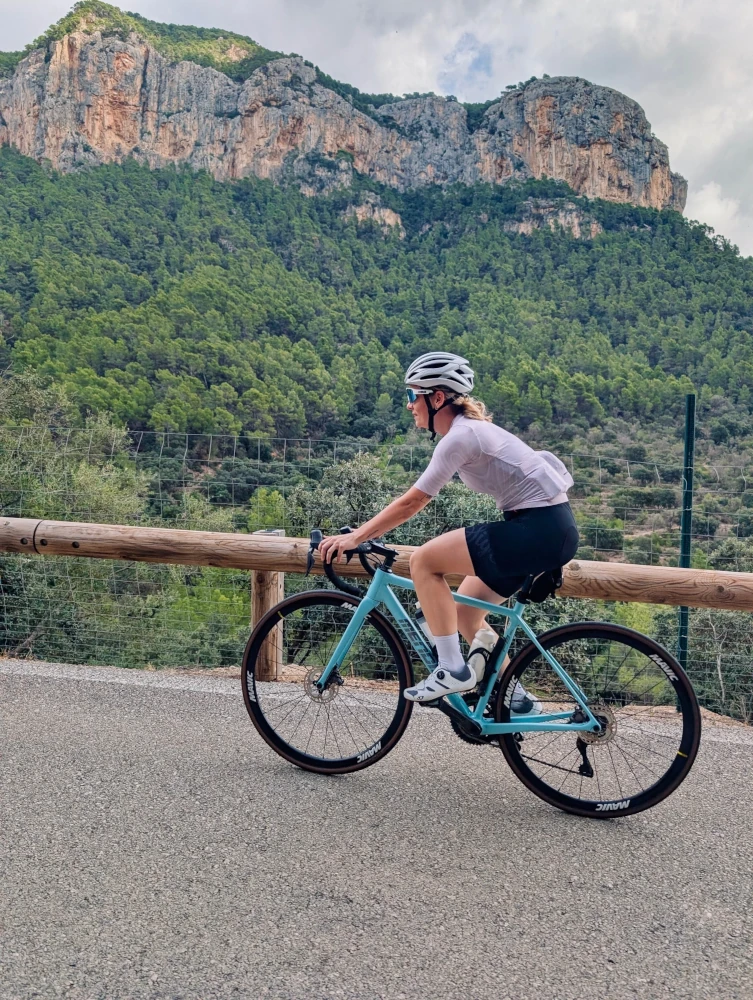
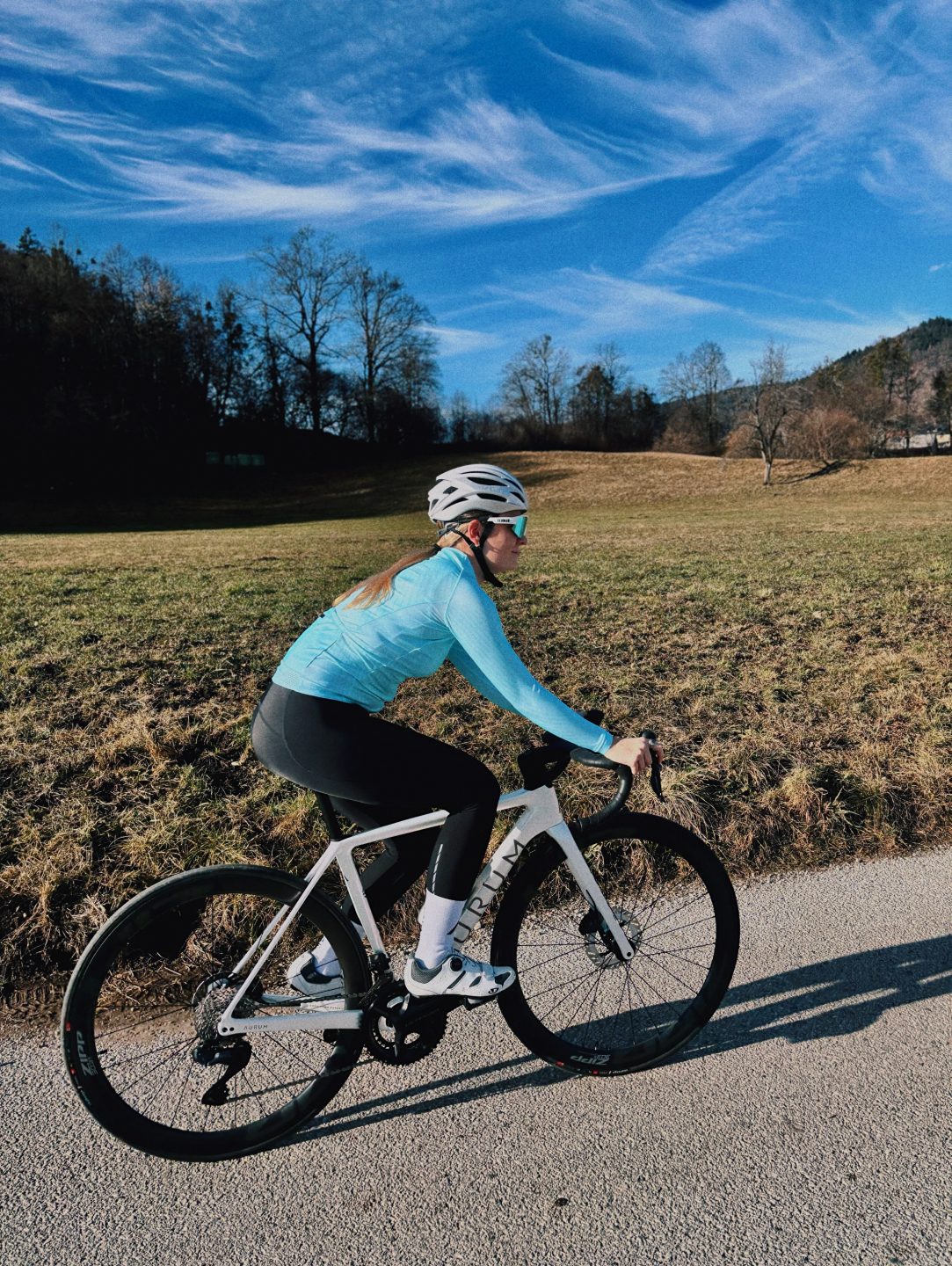
For cyclists who already rely on bike computers for ride metrics, a smart ring fits perfectly alongside existing tools. I don’t believe it is there to replace them, instead, it fills the gap by focusing on recovery, readiness and long-term trends. That makes it especially useful during heavy training blocks, multi-day rides (yes, I wore it on my Mallorca cycling trip) or periods where fatigue is harder to feel but easy to accumulate.
In short, a smart ring works well for cycling because it complements existing cycling tech, capturing recovery and readiness data without interfering with training or ride equipment.
Why Recovery Data Matters for Better Training
Most cyclists already have detailed data from their rides: power, heart rate, cadence, speed. What’s often missing is a clear understanding of how the body is coping with that workload over time. That’s also the main reason why I got the smart ring in the first place.
The ring continuously tracks key recovery metrics such as resting heart rate, heart rate variability (HRV), sleep duration and sleep stages etc. On their own, these numbers don’t mean much, but when they’re tracked day after day over a longer period (30 days is recommended), they help you understand what’s normal for your body and how it responds when training load increases or recovery is compromised.
Especially useful for cyclists is how the data is translated into daily recovery and readiness insights. Instead of guessing whether to push through or have a rest day, there’s an objective signal to consider. It doesn’t dictate training, but it adds context, which really matters when consistency is the goal, because it helps you understand why a bike ride felt hard (or easy) and whether pushing through fatigue will support long-term progress or simply add unnecessary stress.
Ultrahuman Ring Air sleep tracking for cyclists
We cyclists love data during rides, but performance is also built off the bike. For me, sleep has become one of the most important metrics to pay attention to.
Sleep tracking has easily been one of my favourite features. The ring breaks sleep down into light, deep, and REM stages (that’s also a well known tracker on smartwaches too), while also tracking overnight heart rate, HRV and recovery-related metrics. Because it’s worn every night without effort, the data is consistent.
Over time, I started to notice some patterns. Hard training days, late evening rides, caffeine too late in the day, or going to bed late all show up in my sleep data. Sometimes the impact is small, but it’s always there the next morning. Seeing those changes reflect in numbers has made me far more intentional about how I approach recovery.
The Caffeine Window: A Feature I Didn’t Expect to Love
Now let’s talk about coffee, because, realistically, I cannot imagine a day without it.
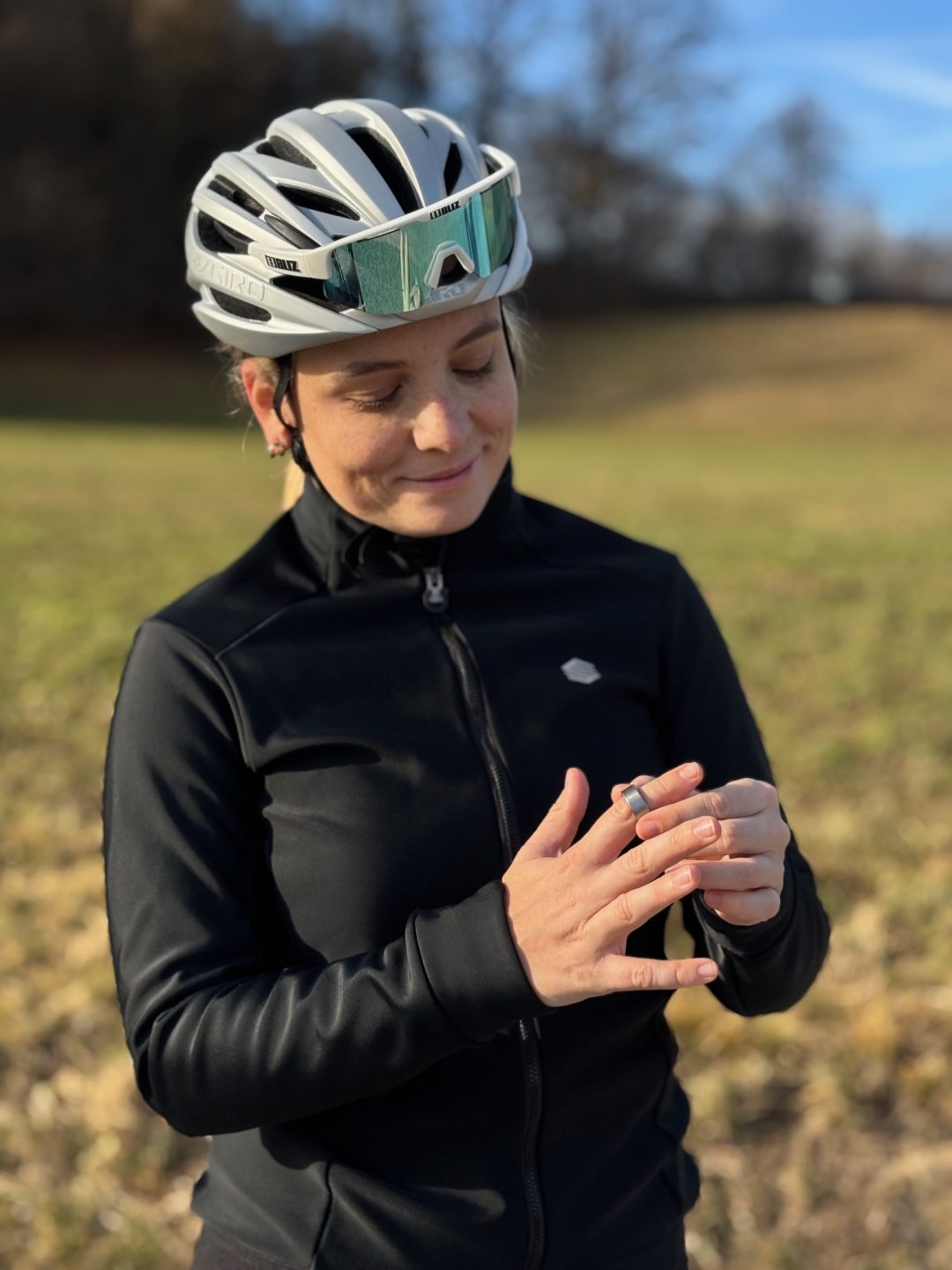
One of the more unexpected features of the Ultrahuman Ring Air is the caffeine (or stimulant) window. Based on sleep patterns, circadian rhythm and recovery data, the app suggests two simple but surprisingly useful things:
- when caffeine is likely to be most effective and
- when it’s more likely to interfere with sleep and recovery
As someone who drinks coffee throughout the day, this was genuinely eye-opening. Over time, I started seeing connections between late-day caffeine and poorer sleep quality. Shorter deep sleep, more restless nights showed slightly worse recovery scores the next morning.
I haven’t stopped drinking coffee. That. is. not. happening. 😛 But I’ve become much more intentional about when I drink it. Shifting most caffeine earlier in the day makes me more productive and cutting it off sooner has noticeably improved my sleep consistency. Better sleep, logically, has had a very real impact on recovery and how I feel on the bike the next day.
It’s a small feature, but one that quietly changed a daily habit I never really questioned. And for someone balancing training, work and a serious love for coffee, that’s saying a lot. 🙂
What the Ring is not
It’s worth being clear from the start: the Ultrahuman Ring Air is not a replacement for a cycling computer or a sports watch and it doesn’t try to be. Instead of trying to replace existing cycling devices, the Ultrahuman Ring Air fits alongside them. The difference becomes clear when you compare it to a typical sports-focused smartwatch:
| Feature | Smart Ring | Sports Watch |
|---|---|---|
| GPS ride tracking | No | Yes |
| Power, cadence, lap data | No | Yes |
| Workout recording | Minimal / passive | Active, workout-focused |
| Recovery metrics (HRV, RHR) | Yes (continuous) | Yes (often workout-dependent) |
| Sleep tracking | Yes (automatic, every night) | Yes (can be less consistent) |
| Battery life | Several days | Usually 1–2 days |
| On-ride interaction | None | High (screens, alerts, buttons) |
| Focus | Recovery, readiness, lifestyle | Training execution & performance |
| Wearability | Very discreet, 24/7 | Noticeable, wrist-based |
What stood out to me is how different the philosophy is. A sports watch is designed to be active during training (tracks sessions, displays metrics,..). The ring does the opposite. It stays passive, collecting data continuously without interfering with rides or daily life.
For cycling, this separation actually works extremely well. I rely on my bike computer for everything that happens on the bike and on the ring for understanding what happens between sessions. Together, they provide a more complete picture for me -> performance during rides, and recovery outside of them.
Honest Review after Months of Use (+ discount)
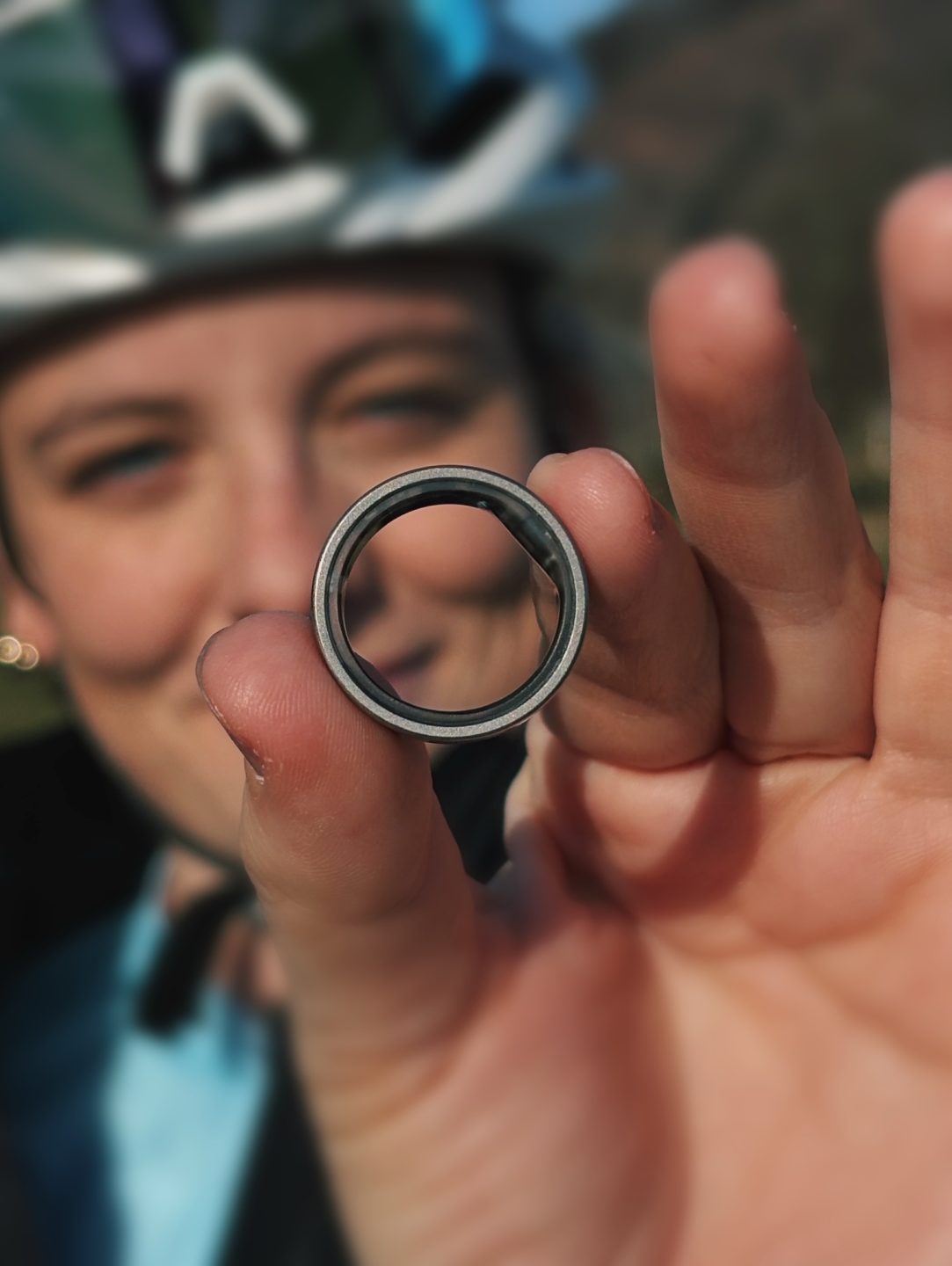
After months of wearing the Ultrahuman Ring Air, it’s become clear that its value isn’t in replacing existing tools, but in filling an important gap that many cyclists overlook. If you care about training consistency, recovery, sleep and the habits that support performance over time, the ring offers insights that are hard to get elsewhere. Smart rings like Ultrahuman Ring Air can track HRV, sleep stages and recovery metrics comparable to other wearables.
If you’re considering trying one yourself, you’ll find a discount code below that you can use to get started something I’m happy to share with you, after spending real time with the ring and seeing how it fits into my own training and daily routine. Here is that little bonus: HOZJAN20 🙂